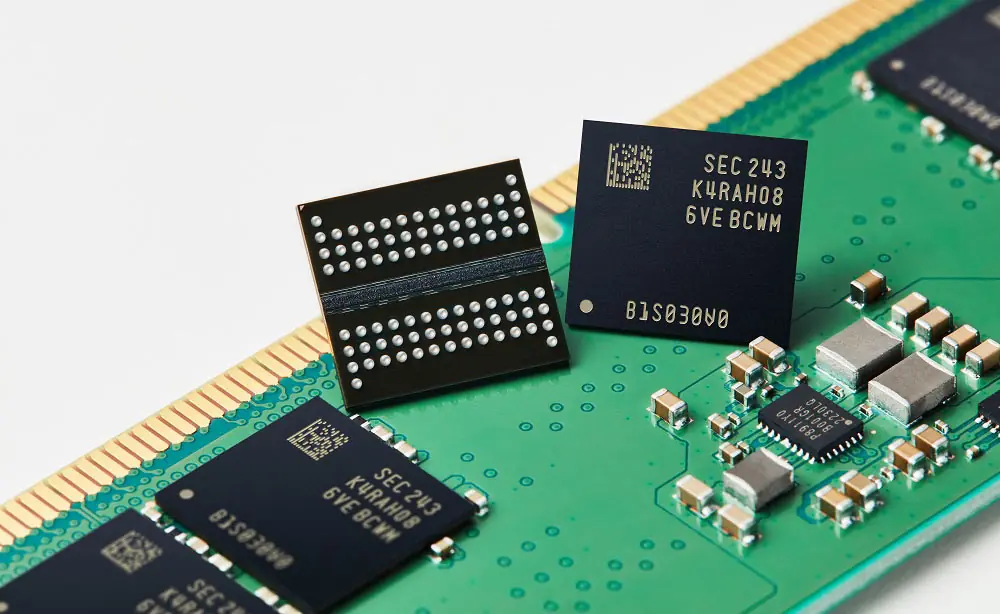
After a tremendous increase of 2,200% last year, the spot price of DDR4 RAM has finally shown a modest decline of 5%. This marks the first monthly decrease in over twelve months and offers a glimmer of hope for consumers struggling with high PC component costs. However, experts caution against excessive optimism, emphasizing that the underlying issues causing the price increases have yet to be resolved.
Key Points
- The spot price of a 16GB DDR4 chip has decreased by approximately 5%.
- This is the first monthly price drop for DDR4 in over a year.
- The increase prior to this drop reached a staggering level of 2,200% in the last twelve months.
- Governments, such as South Korea, are exploring measures to reduce high PC component prices.
- Experts suggest that significant challenges in the RAM market persist, advising cautious management of expectations.
Welcome, But Modest, Price Correction
The recent drop in DDR4 spot prices reported by DigiTimes and highlighted by Tom’s Hardware is a noteworthy event. For over a year, consumers have faced continuous price hikes, with the cost of a 16GB DDR4 module rising as much as 2,200%. While a 5% decline may seem small in comparison, it indicates a potential shift in market dynamics, especially considering that DDR5 prices have also decreased in some markets.
Government Intervention and Market Monitoring
In response to rising costs, the South Korean government is reportedly taking steps to alleviate the burden on consumers. These measures include repurposing and donating retired computers, expanding subsidies for purchasing student computers for low-income families, and monitoring the PC and laptop markets to prevent unfair pricing practices. Strict measures are promised in case "opportunistic profits" are detected.
Cautious Optimism Amid Market Challenges
While the price drop is a welcome development, industry analysts and hardware manufacturers remain cautious. The underlying factors contributing to the long-standing RAM crisis are complex and not fully resolved. Theories for the recent price corrections range from the potential of AI-driven demand reduction from companies like OpenAI to technological advancements aimed at reducing memory usage. However, these remain speculative, and broader challenges in the technology supply chain and manufacturing persist. Consumers are advised to manage their expectations, as a return to previous price levels is not anticipated in the near future.
Potential for Broader Government Support
While direct government intervention in component prices as seen in South Korea may not be feasible due to complexities in many other regions, there is potential for similar consumer support-focused programs. Initiatives such as providing assistance for low-income students or repurposing old hardware could be explored and expanded on a global scale to mitigate the impact of high technology costs.
















Comments
(4 Comments)