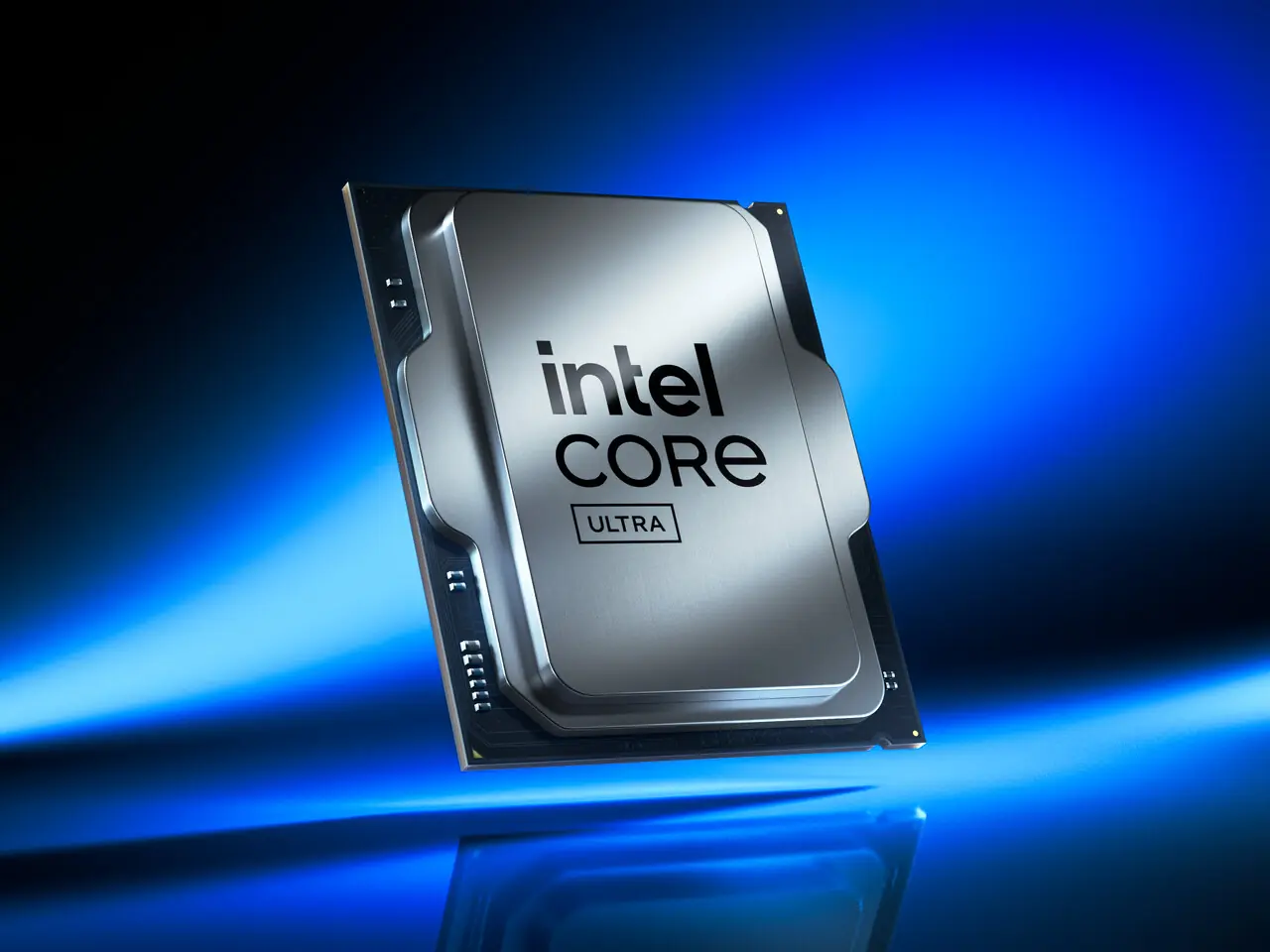
Intel's upcoming Nova Lake-S desktop processors, likely to be named the Core Ultra 400 series, are generating significant excitement alongside recent leaks. These next-generation CPUs are expected to bring substantial architectural changes aimed at challenging AMD's dominance in the high-performance desktop market. Features such as a significant increase in core count, a new socket, and support for high-speed DDR5 memory stand out.
Key Points
- Significant Increase in Core Count: Leaks suggest that Nova Lake-S processors could reach up to 52 cores, marking a significant leap from current generations.
- New LGA 1954 Socket: A new socket is on the way, promising longer platform longevity.
- DDR5-8000 Support: Faster memory speeds are expected with native DDR5-8000 support.
- ‘bLLC’ Cache Technology: Intel's response to AMD's 3D V-Cache aims to enhance gaming performance.
- Improved AI Capabilities: Integration of NPU6 to boost AI performance.
Architectural Innovations and Core Configurations
Intel's Nova Lake-S is undergoing a major architectural refresh towards a chiplet, tile-based design. Leaks show a wide range of SKUs from entry-level Core Ultra 3 to high-end Core Ultra 9, with core configurations varying significantly. The top models are expected to house 16 Performance cores (P-cores) and 32 Efficient cores (E-cores) along with 4 Low Power Efficient cores (LP-E cores), totaling 52 cores. This dual compute tile design aims to directly compete with AMD's multi-chip module approach. Below are the expected core configurations...
- Core Ultra 9 – 16 P-Cores + 32 E-Cores + 4 LP-E Cores (150W)
- Core Ultra 7 – 14 P-Cores + 24 E-Cores + 4 LP-E Cores (150W)
- Core Ultra 5 – 8 P-Cores + 16 E-Cores + 4 LP-E Cores (125W)
- Core Ultra 5 – 8 P-Cores + 12 E-Cores + 4 LP-E Cores (125W)
- Core Ultra 5 – 6 P-Cores + 8 E-Cores + 4 LP-E Cores (125W)
- Core Ultra 3 – 4 P-Cores + 8 E-Cores + 4 LP-E Cores (65W)
- Core Ultra 3 – 4 P-Cores + 4 E-Cores + 4 LP-E Cores (65W)
‘bLLC’ Cache and Gaming Performance
As a move against AMD's 3D V-Cache, Intel is introducing its own “big Last Level Cache” (bLLC) technology. This feature is expected to appear in several Nova Lake-S SKUs and has the potential to provide a significant boost in gaming performance by offering a larger, more accessible cache. The application of bLLC to both compute tiles in dual chip configurations could facilitate symmetric cache access, easing scheduling for the operating system.
New Socket and Platform Features
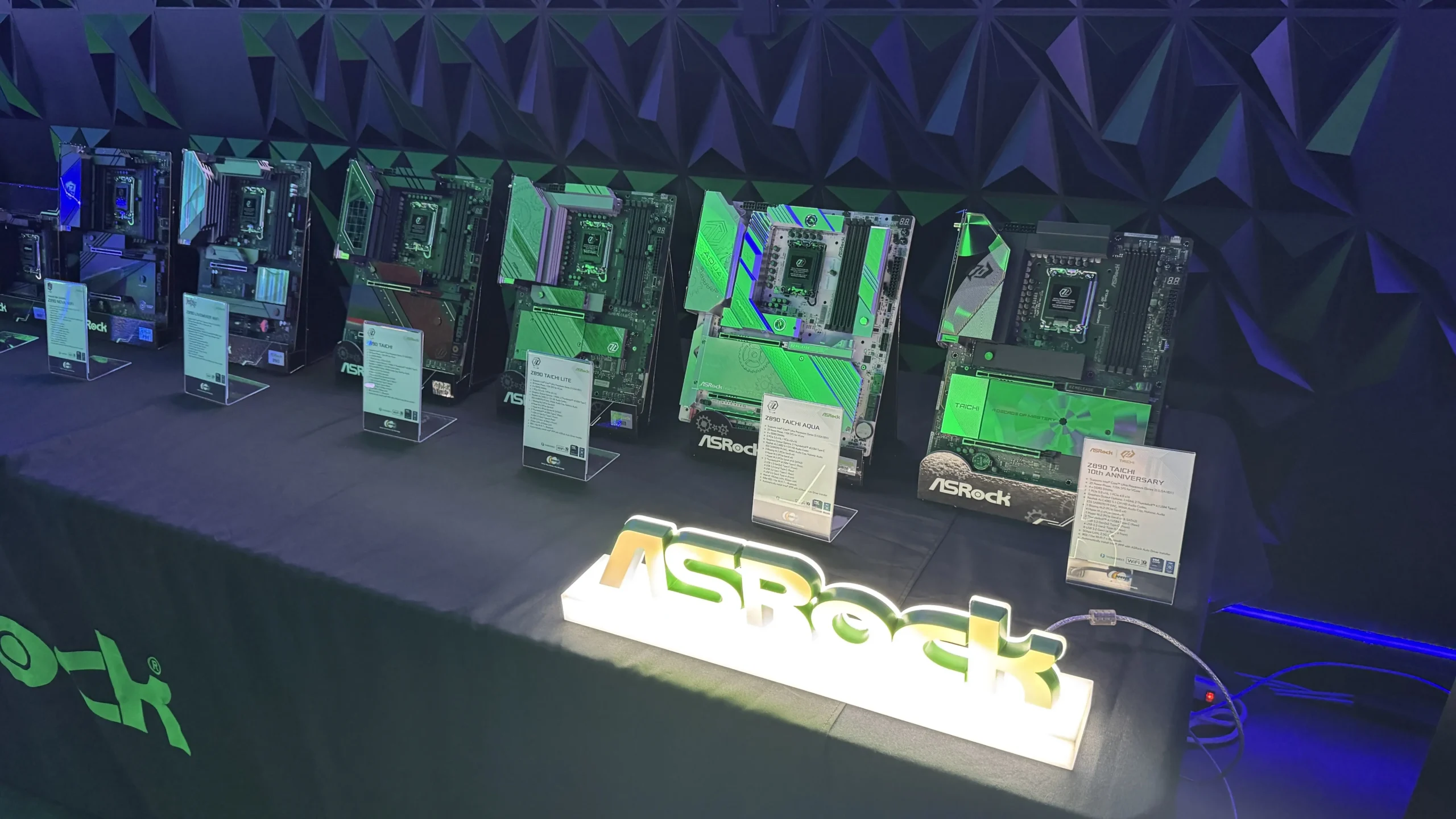
Nova Lake-S will introduce a new LGA 1954 socket that will replace the current LGA 1851 socket. While new motherboards will be required, reports indicate that Intel aims for a longer socket lifespan with LGA 1954, which may support multiple CPU generations. The platform will also include DDR5-8000 memory, PCIe 5.0, and potentially Thunderbolt 5 support, along with upgraded NPU6 for enhanced AI processing capabilities.
Power Consumption and Target Audience
With increased core counts and enhanced features, power consumption is expected to rise. Some dual compute tile models are said to have a TDP of up to 175W and peak power draw exceeding 700W in extreme scenarios. However, while these high-power configurations are likely aimed at the High-End Desktop (HEDT) market for professional workloads, more mainstream SKUs will offer more manageable power ranges and energy-saving options.
Launch Timing and Chipsets
Nova Lake-S is expected to launch in the second half of 2026. The platform will be supported by Intel's 900 series chipsets, offering different connectivity and feature levels such as Z990, Z970, W980, Q970, and B960.
Integrated Graphics
Nova Lake-S processors will feature Intel's Xe3 graphics architecture for integrated GPUs, promising improved performance over previous generations. These integrated GPUs will also include Xe3P Media and Image engines for enhanced video processing and image output capabilities.















Comments
(4 Comments)