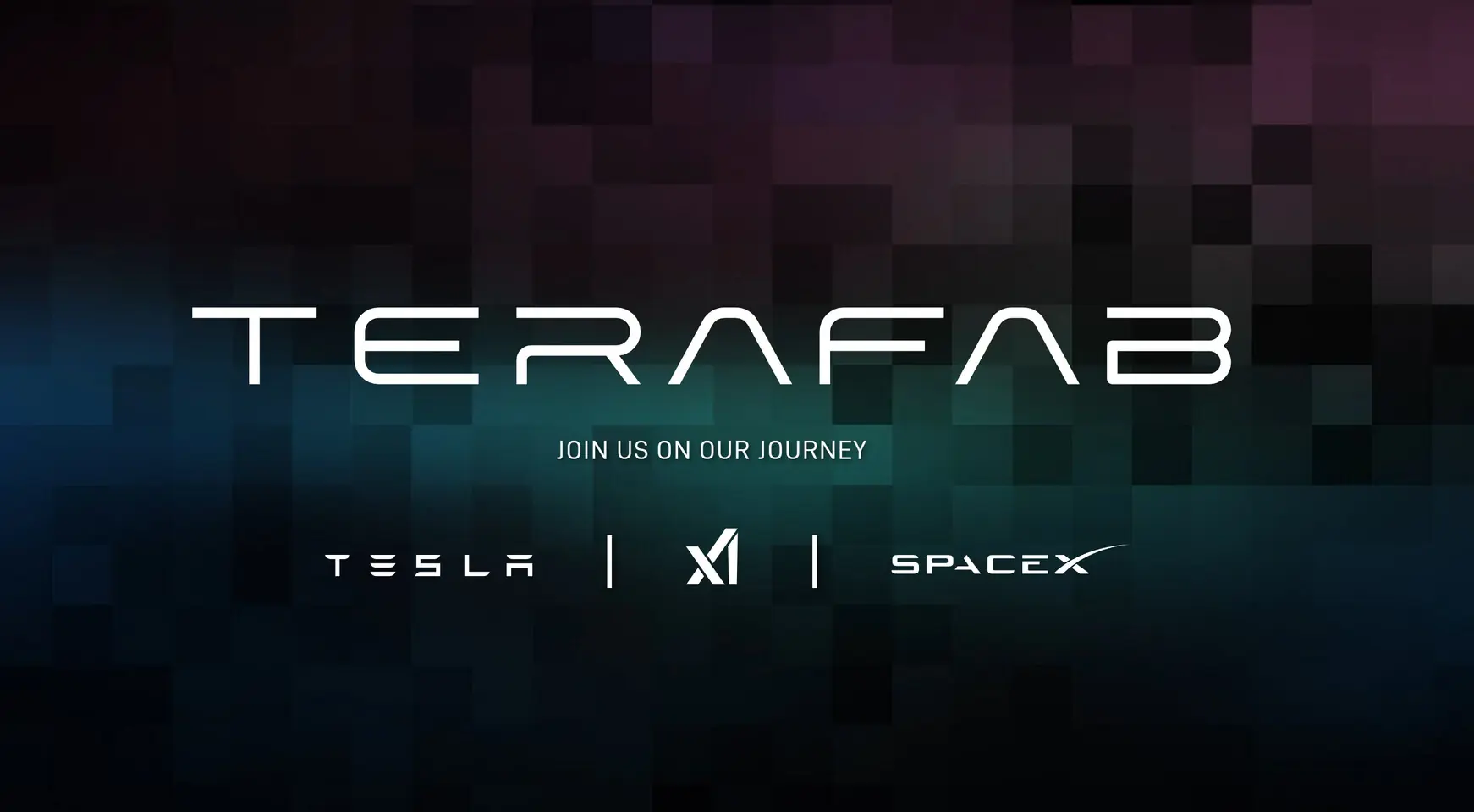
A major transformation is taking place in the semiconductor industry. Intel has announced a new partnership with Elon Musk's Terafab project, aiming to increase domestic production of advanced AI chips. This collaboration serves as a significant milestone for both parties, highlighting the demand for American-made technologies in areas such as artificial intelligence, autonomous vehicles, and space infrastructure.
Key Points
- Intel is collaborating with Musk's Terafab, SpaceX, Tesla, and xAI for a new semiconductor factory in Texas.
- The project aims to provide one terawatt (1TW) of computing power annually for AI and robotics.
- Manufacturing and fabrication processes will be conducted by Intel, not by Tesla or SpaceX.
- The partnership strengthens Intel's position in the U.S. foundry business and supports Musk's ambitious hardware needs.
- Financial and operational details remain largely confidential.
Intel's Strategic Leap into Mega-Foundry Projects
Intel has publicly announced its participation in the Terafab initiative in Texas, bringing its expertise in manufacturing, packaging, and process technology to this project, which is presented as Musk's in-house chip ecosystem. Instead of Tesla or SpaceX building their own manufacturing capabilities from scratch, Intel becomes the technical powerhouse behind Terafab's operations; this is an arrangement utilizing years of semiconductor expertise.
This strategic move helps Intel secure the type of key customers it seeks for its foundry model and positions itself as a manufacturer of a range of next-generation chips necessary for AI, robotics, satellite data centers, and autonomous vehicles.
The Significance of Terafab for U.S. Chip Production
The new Terafab facility in Austin aims to be one of the country's most advanced facilities, supporting Musk's vision for AI-intensive computing for both terrestrial and orbital applications. Intel's involvement indicates that American chip production can emerge again with sharp competition, showcasing a stance against the increasing dominance of Asian firms.
While the timeline and workload distribution remain uncertain, Intel's announcement suggests that the foundry will provide process technology and operational management, while Musk's initiatives will meet both capital and computing demands.
Impacts on Tesla, SpaceX, and xAI
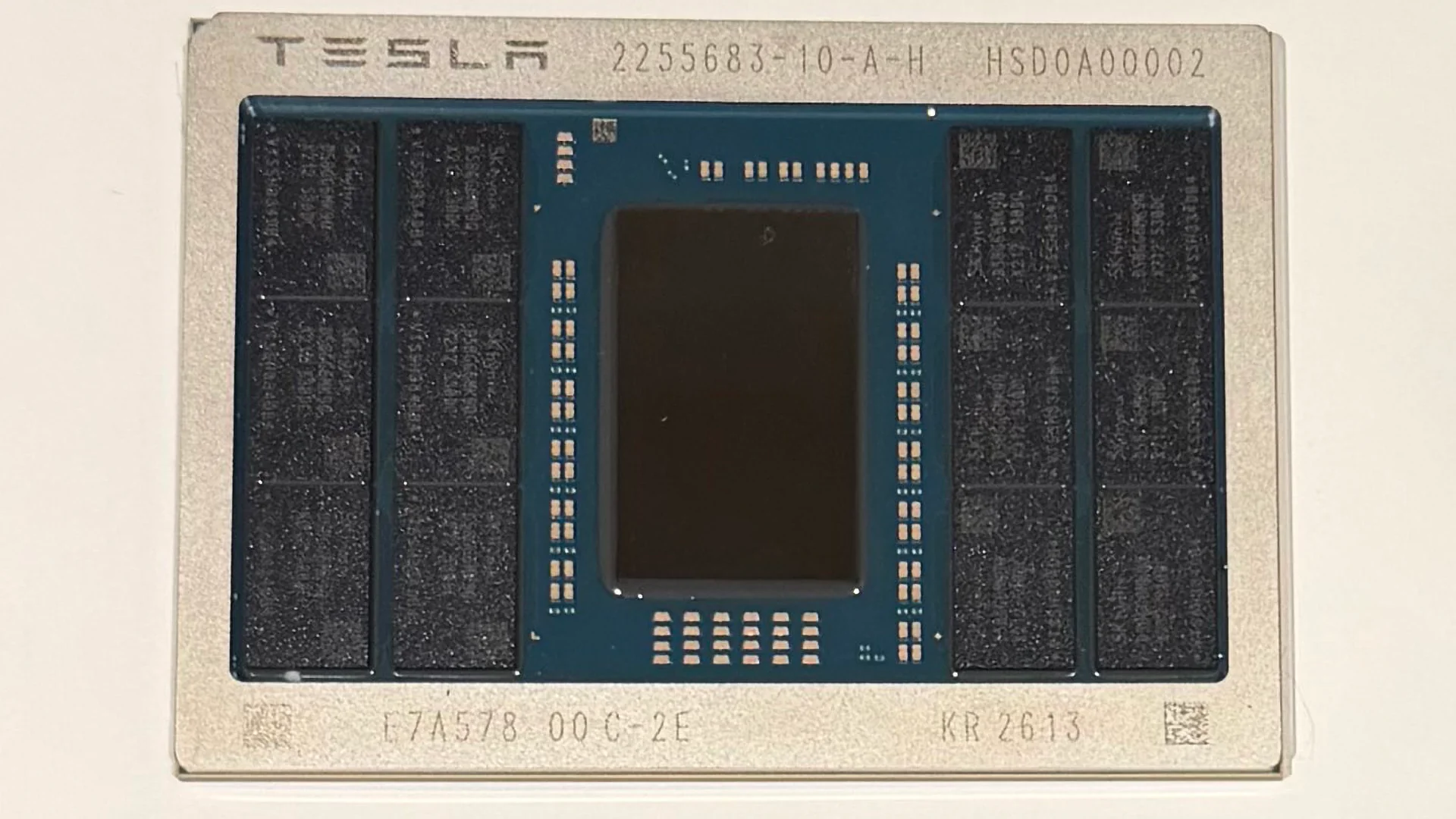
Although Musk initially suggested that his ventures would create an entirely new semiconductor supply chain, this partnership reflects a more pragmatic transformation. Instead of tackling the significant challenges of building an advanced factory, Musk's companies will provide financial support and act as key customers, while Intel will take on production and technical management.
This approach enables faster production increases for Tesla's autonomous driving chips, SpaceX's AI-powered satellites, and xAI's machine learning systems; it also offers the potential to overcome supply constraints arising from competing for capacity with global foundries like TSMC or Samsung.
Impact on the Industry and the Future
Intel's shares saw a slight increase following the announcement, signaling market optimism about the potential of the partnership. Meanwhile, the actual financial or legal terms have not yet been disclosed, and there is no official filing indicating a binding or final agreement. Both partners seem to keep the door open for further negotiations or expansions.
This alliance could serve as a template for future collaborations in the U.S. semiconductor industry; it could combine established manufacturing capabilities with the relentless demand created by AI, automotive, and aerospace innovators. Time will tell whether this partnership can realize the scale promised by Musk or if it will merely be a milestone in Intel's foundry journey.







Comments
(7 Comments)